Integrated Masculinity Framework
Masculinity varies across culture, time, and context. While some traits are virtuous, others are damaging or require discipline and context. Traits, behaviors, and beliefs about masculinity are organized from Constructive, to Disciplined, to Destructive based on how they effect self, others as individuals, organizations, or communities

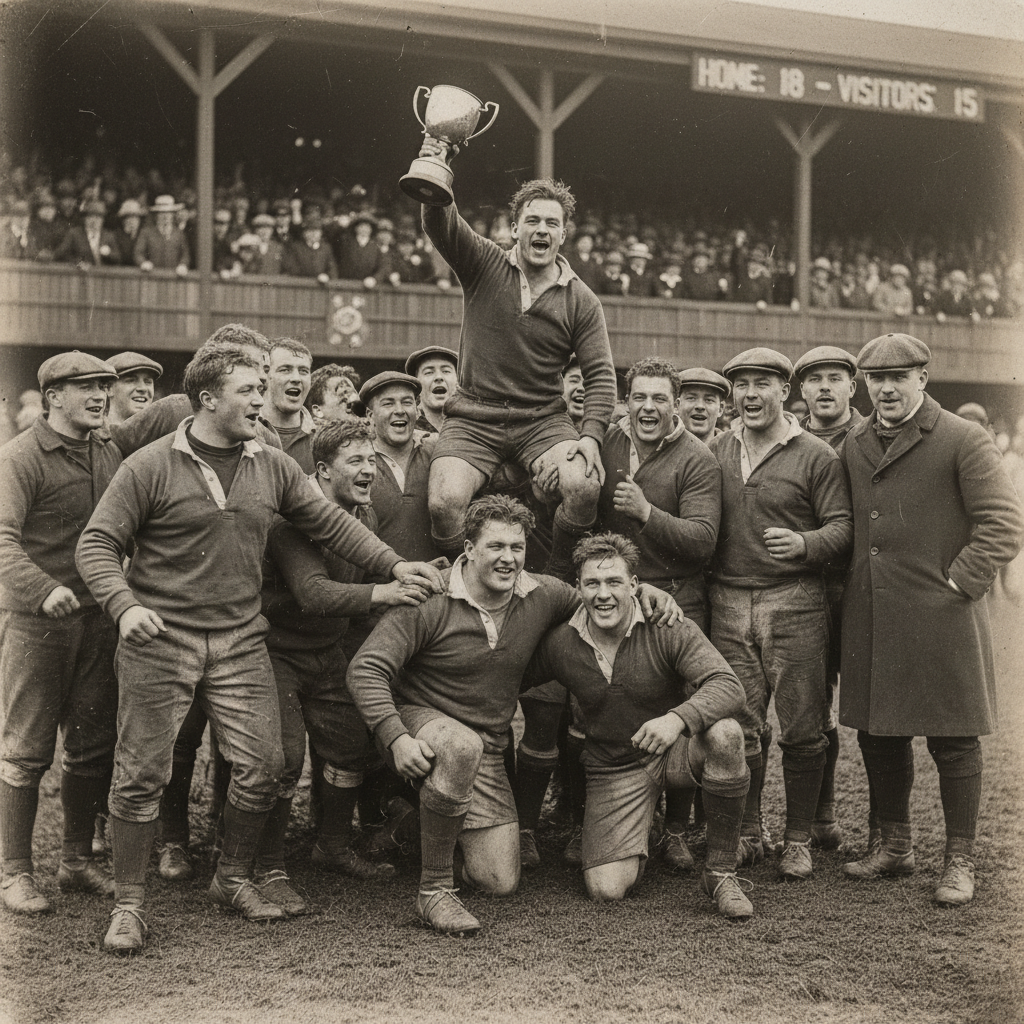
constructive Masculinity
Reliable, positive, applicable across contexts, these behaviors benefit the individual, team and organization, and define character and virtue. They include:
Integrity
Courage
Teamwork
Stewardship
Safe-Haven
Accountability
Humility
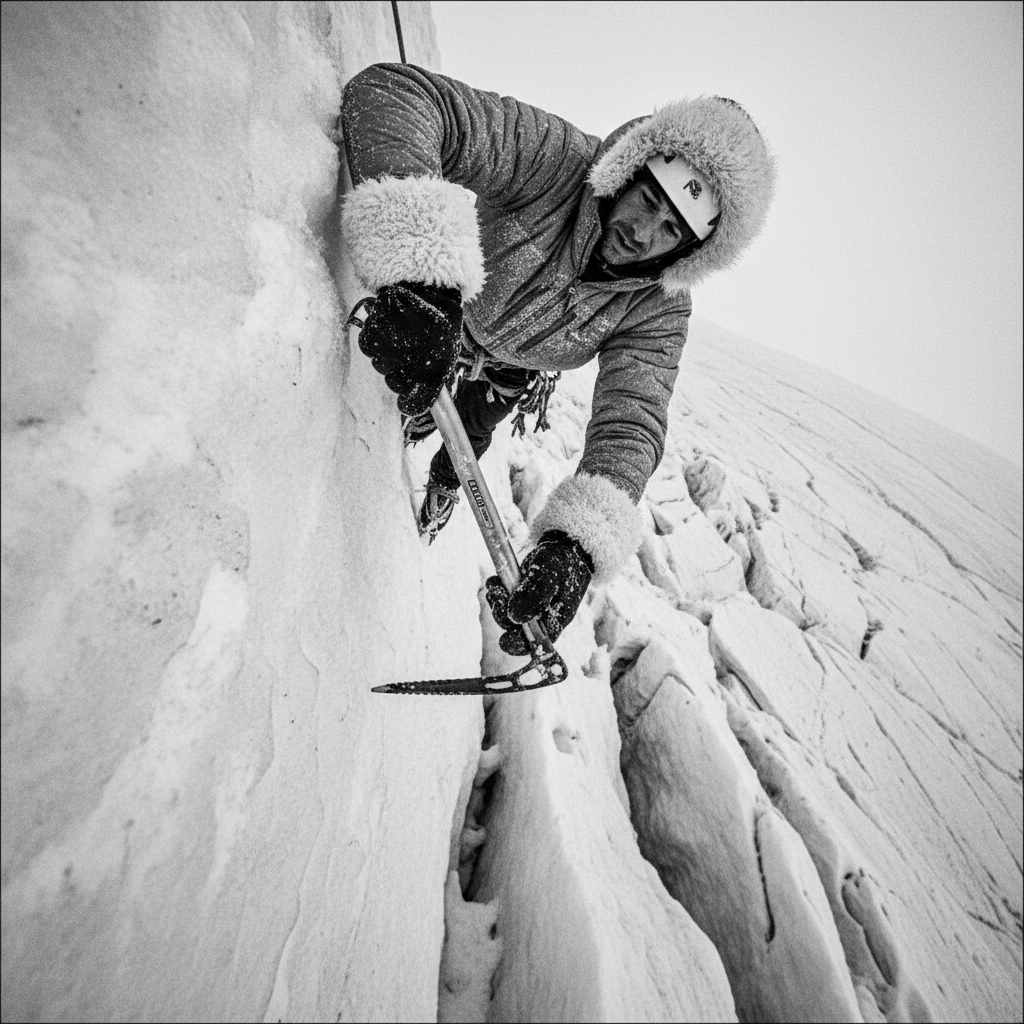
disciplined masculinity
Appropriate in the correct context, must be used with careful judgment, and applied deliberately to avoid harm. The include:
Assertiveness
Self-Reliance
Grit
Risk-Taking
Stoicism
Competitiveness
Aggression
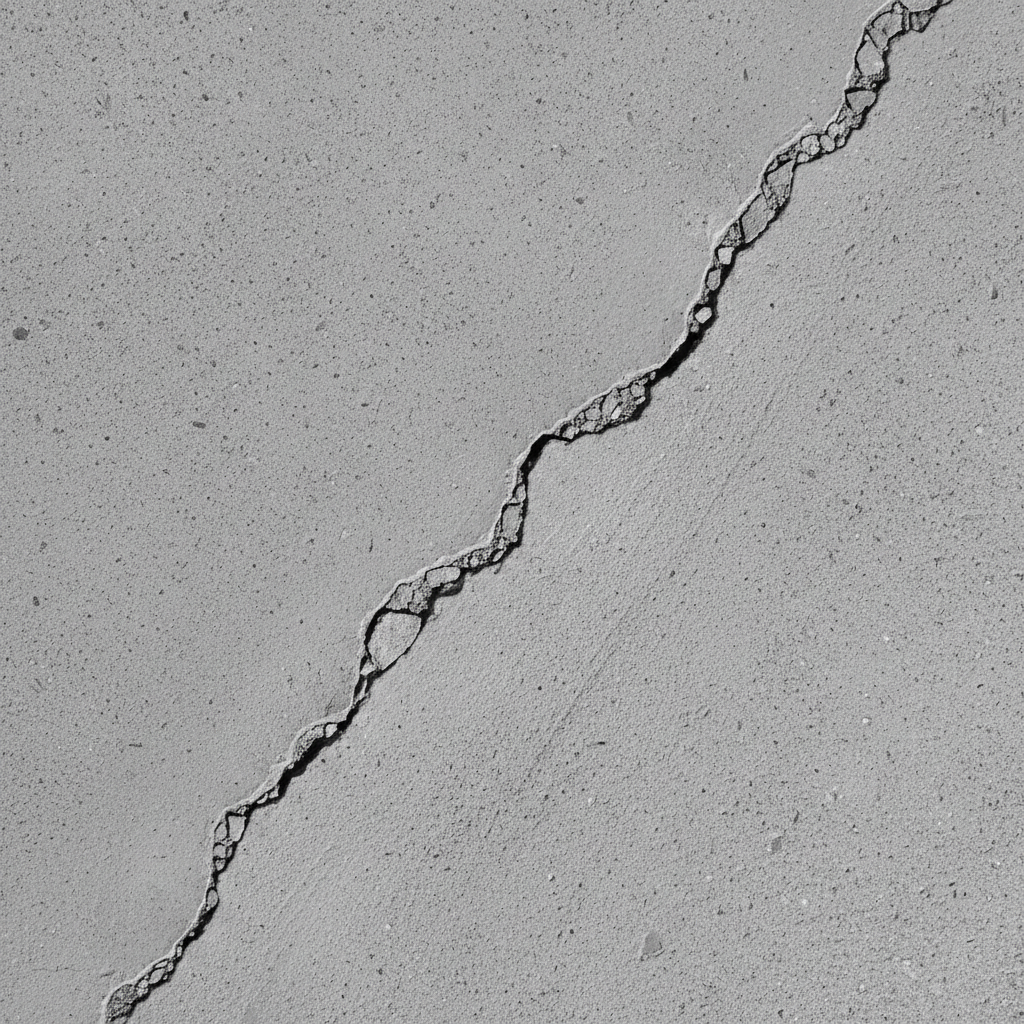
destructive Masculinity
These traits and behaviors damage self, others, communities, and organizations. They include:
Isolation
Precarious Manhood
Domination
Intimidation
Harassment
Violence
what are your traits?
Start your journey by taking the assessment and finding out what traits you exhibit.

 Integrating Masculinity